Harmonium Scales: Major, Natural Minor, Harmonic Minor and Melodic Minor
MusicChamps
Music Educator
Introduction
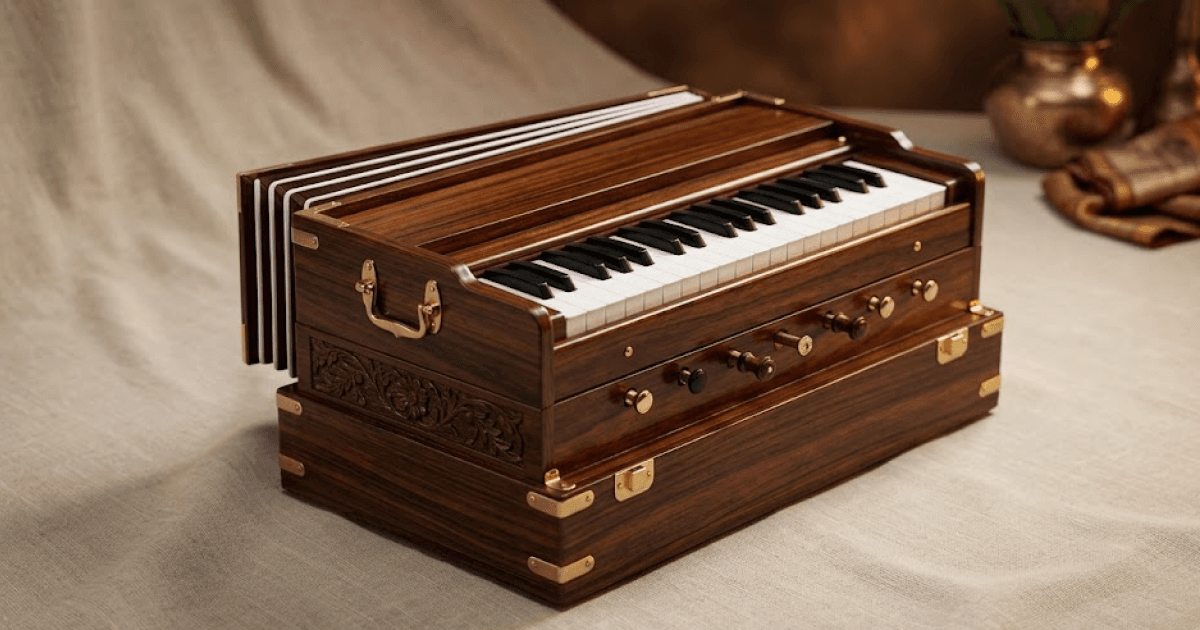
Scales are sets of notes arranged in ascending order of pitch. On the harmonium — one of the most widely used instruments in Indian classical and devotional music — understanding scales is essential to playing any melody or raga correctly.
In this guide, we cover all four types of harmonium scales with their formulas and complete note charts.
What is a Saptak?
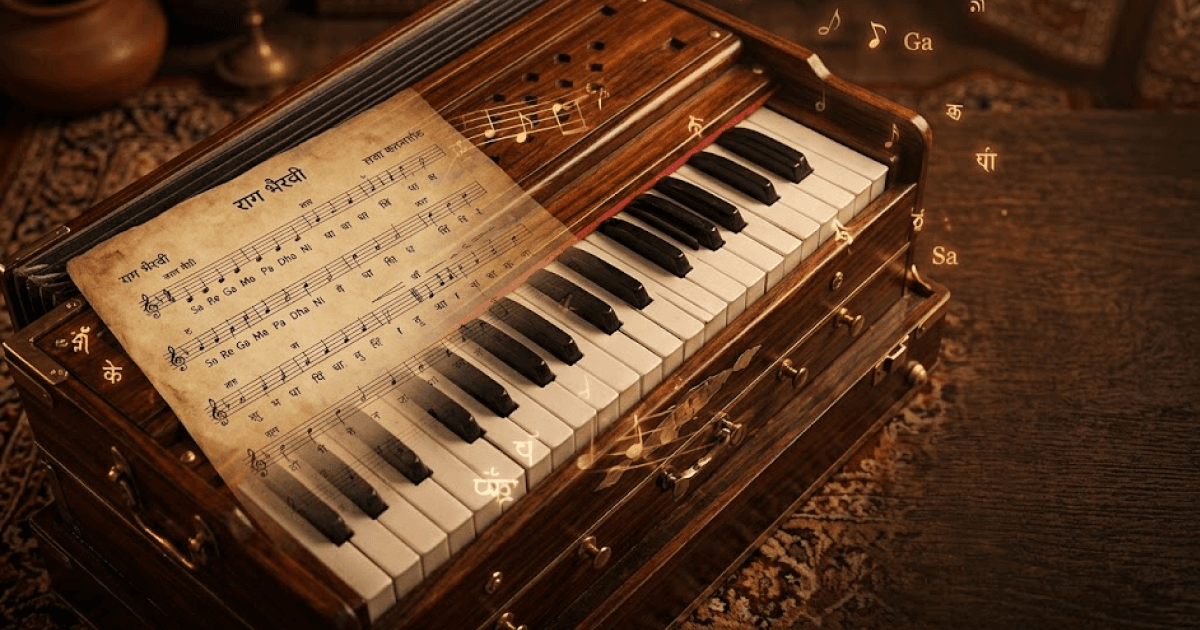
Like all music traditions, Indian classical music is built on 7 basic notes: Sa Re Ga Ma Pa Dha Ni Sa. On a harmonium, these seven notes grouped together at a particular pitch level form one Saptak.
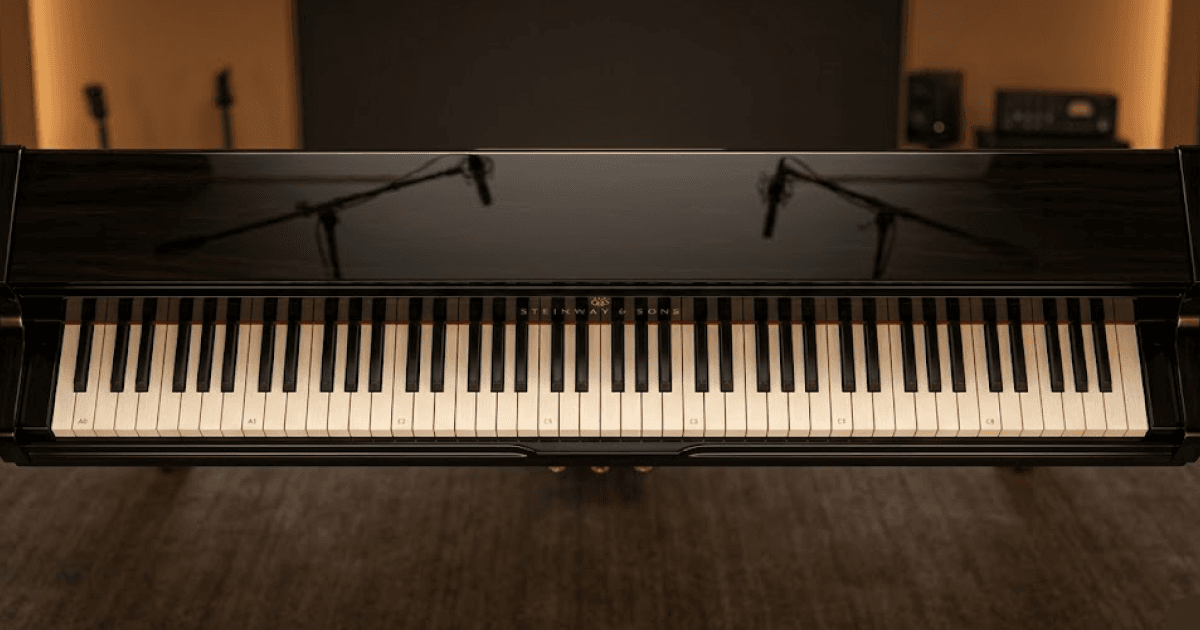
A harmonium typically has multiple saptaks — Mandra (lower), Madhya (middle), and Taar (upper) — allowing musicians to play across a wide pitch range.
The Four Types of Harmonium Scales
1. Major Scale
The Major scale represents bright, positive emotions — happiness, joy, ecstasy, and positivity. It follows this tone-semitone pattern:
T – T – S – T – T – T – S (Tone – Tone – Semitone – Tone – Tone – Tone – Semitone)
| Root | Major Scale | | ---- | -------------------- | | C | C D E F G A B C | | D | D E F# G A B C# D | | E | E F# G# A B C# D# E | | F | F G A Bb C D E F | | G | G A B C D E F# G | | A | A B C# D E F# G# A | | B | B C# D# E F# G# A# B |
2. Natural Minor Scale
The Natural Minor scale evokes contrasting emotions — sadness, mystery, and depth. Its formula is:
T – S – T – T – S – T – T (Tone – Semitone – Tone – Tone – Semitone – Tone – Tone)
| Root | Natural Minor Scale | | ---- | ------------------- | | C | C D D# F G G# A# C | | D | D E F G A A# C D | | E | E F# G A B C D E | | F | F G G# A# C D D# F | | G | G A A# C D D# F G | | A | A B C D E F G A | | B | B C# D E F# G A B |
3. Harmonic Minor Scale
The Harmonic Minor scale is derived from the Natural Minor by raising the 7th note by one semitone. This creates a distinctive, dramatic sound often used in classical compositions.
| Root | Harmonic Minor Scale | | ---- | -------------------- | | C | C D D# F G G# B C | | D | D E F G A A# C# D | | E | E F# G A B C D# E | | F | F G G# A# C D E F | | G | G A A# C D D# F# G | | A | A B C D E F G# A | | B | B C# D E F# G A# B |
4. Melodic Minor Scale
The Melodic Minor scale is derived from the Natural Minor by raising both the 6th and 7th notes by one semitone. This produces a smoother, more lyrical ascending line.
| Root | Melodic Minor Scale | | ---- | ------------------- | | C | C D D# F G A B C | | D | D E F G A B C# D | | E | E F# G A B C# D# E | | F | F G G# A# C D E F | | G | G A A# C D E F# G | | A | A B C D E F# G# A | | B | B C# D E F# G# A# B |
Quick Reference: Scale Formulas
| Scale Type | Formula (T = Tone, S = Semitone) | Character | | -------------- | -------------------------------- | ------------------- | | Major | T T S T T T S | Bright, joyful | | Natural Minor | T S T T S T T | Dark, mysterious | | Harmonic Minor | T S T T S T+S S | Dramatic, classical | | Melodic Minor | T S T T T T S | Lyrical, smooth |
Additional Resources
Frequently Asked Questions
What are the types of scales in harmonium?
There are four main types of scales that can be played on a harmonium: Major scale, Natural Minor scale, Harmonic Minor scale, and Melodic Minor scale. Each is built using a specific pattern of tones (whole steps) and semitones (half steps).
What is a Saptak in harmonium?
A Saptak is one complete set of the seven basic notes — Sa Re Ga Ma Pa Dha Ni Sa — at a particular pitch level. A harmonium has multiple saptaks arranged from low to high, and understanding saptaks is the foundation of playing scales on the instrument.
What is the formula for a Major scale?
The formula for a Major scale is: Tone – Tone – Semitone – Tone – Tone – Tone – Semitone. For example, the C Major scale is: C D E F G A B C.
What is the difference between Natural Minor and Harmonic Minor?
The Natural Minor scale follows the formula: Tone – Semitone – Tone – Tone – Semitone – Tone – Tone. The Harmonic Minor scale is derived from the Natural Minor by raising the 7th note by one semitone. This creates a distinctive raised leading tone that gives the Harmonic Minor its characteristic sound.