Types of Piano and Keyboard: Acoustic, Digital, Electric, Stage and Synthesizer
MusicChamps
Music Educator
Introduction
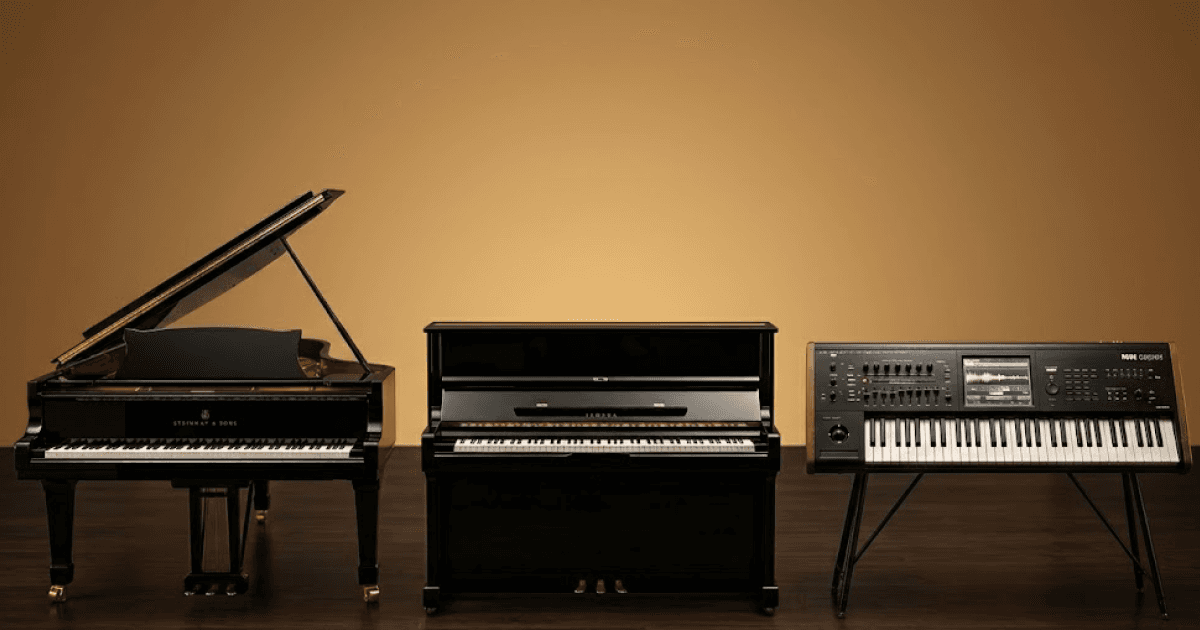
Piano, keyboard, synthesizer, digital piano — these terms are often used interchangeably, but they refer to very different instruments with distinct purposes, mechanisms, and price points. Understanding the differences will help you choose the right instrument for your goals.
The 5 Main Types of Keyboard Instruments
1. Acoustic Piano
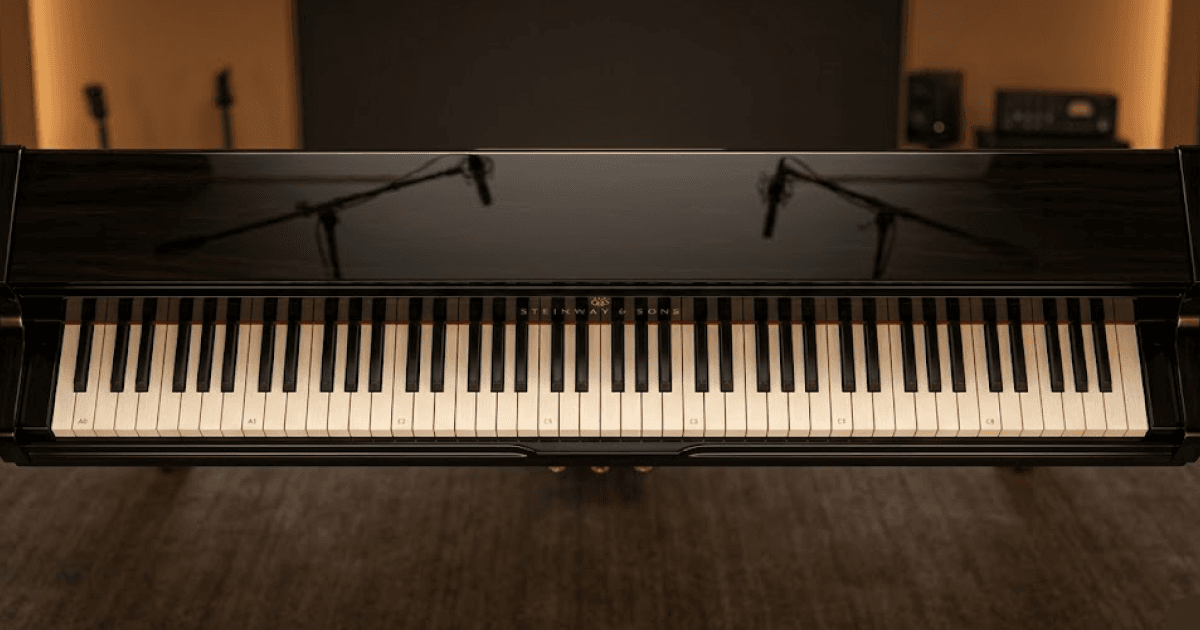
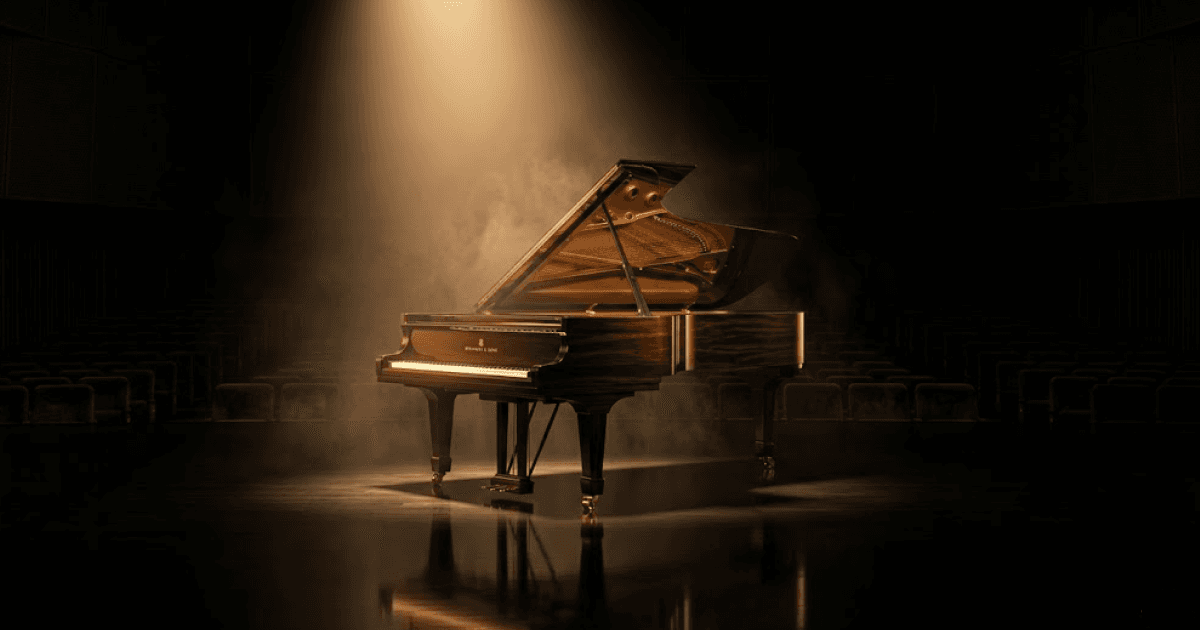
The Acoustic Piano is the original, traditional form of the piano — and the instrument that all others are based on.
- A mechanical instrument — produces sound by hammers striking internal metal strings
- Requires no electricity — the sound is entirely acoustic
- Grand Piano and Upright Piano are the two main types
- The preference of seasoned classical pianists for its authentic touch and resonance
- Requires regular tuning and maintenance
- Best for: Classical pianists, conservatories, performance halls
2. Digital Piano
The Digital Piano is an electronic instrument designed to replicate the acoustic piano experience as closely as possible.
- Powered by electricity — uses digital samples of acoustic pianos
- Offers features like weighted keys, touch sensitivity, headphone output, metronome
- Multiple built-in tones and genres — classical, jazz, rock, and more
- More portable than acoustic pianos and requires no tuning
- Best for: Home practice, students, intermediate players
3. Electric Keyboard (Portable Keyboard)
The Electric Keyboard is the most accessible and beginner-friendly entry point into keyboard instruments.
- Compact and affordable — often battery-operated
- Wide range of sounds, rhythms, and accompaniment features
- Highly portable — ideal for students and mobile musicians
- Lacks the authentic weighted-key feel of acoustic or digital pianos
- Best for: Beginners, children, casual practice
4. Stage Piano
The Stage Piano is built specifically for live performance, combining three key qualities:
- Quick portability — lighter and easier to transport than an acoustic grand
- Best-in-class features — high-quality sounds and expression controls
- MIDI connectivity — can connect to digital audio workstations and other devices
Best for: Live performers, professional musicians, studio work
5. Hybrid Piano
The Hybrid Piano combines the authentic feel of an acoustic piano with modern digital features.
- Physical hammer action from an acoustic mechanism
- Digital sound processing for volume control, headphone use, and recording
- Valued for authenticity and modern convenience in one instrument
- Best for: Advanced students and professionals who want both worlds
6. Synthesizer
The Synthesizer is in a category of its own — it doesn't replicate acoustic sounds but creates entirely new sounds electronically.
- Uses oscillators, filters, and modulators to design sounds from scratch
- The ability to create unique, never-before-heard sounds makes it sui generis
- Preferred by musicians exploring experimental, electronic, and avant-garde styles
- Best for: Music producers, electronic musicians, sound designers
Quick Comparison
| Type | Sound Source | Portability | Best For | | --------------------- | -------------------- | ----------- | ----------------------- | | Acoustic Piano | Hammer + strings | Low | Classical, professional | | Digital Piano | Digital samples | Medium | Home practice, students | | Electric Keyboard | Digital synthesis | High | Beginners, casual | | Stage Piano | Digital samples | Medium-high | Live performance | | Hybrid Piano | Acoustic + digital | Low-medium | Advanced students | | Synthesizer | Electronic synthesis | Medium | Electronic music |
Frequently Asked Questions
What is the difference between an acoustic piano and a digital piano?
An acoustic piano is a mechanical instrument that produces sound by hammers striking strings — no electricity needed. A digital piano is an electronic instrument that uses samples or synthesis to replicate piano sounds, and offers features like different tones, headphone output, and portability.
Which piano is best for beginners?
An electric keyboard or digital piano is recommended for beginners. They are more affordable, portable, require no tuning, and often include built-in learning features. A digital piano with weighted keys provides a realistic feel closer to an acoustic piano.
What is a Stage Piano?
A Stage Piano is designed specifically for live performance. It combines portability, high-quality sounds, and professional features — including MIDI connectivity — making it the preferred choice for performing musicians.
What is a Synthesizer?
A Synthesizer is an electronic keyboard that creates and manipulates sound electronically — rather than reproducing recorded sounds. Synthesizers can produce entirely new sounds from scratch, making them popular in experimental, electronic, and avant-garde music.